






 K'Sante 2026
 Build Guide By Auroline
 82
Views
82
Views
 0
Comments
82
Views
0
Comments
K'Sante Build Guide By Auroline
0
Comments
82
Views
0
Comments
K'Sante Build Guide By Auroline

 Thank You!
Your votes and comments encourage our guide authors to continue
creating helpful guides for the League of Legends community.
Recommended Items


Runes:









+10% Attack Speed
+10-180 Bonus Health
+10-180 Bonus Health










Spells:

Flash

Teleport


Items



Ability Order Standard (more info in notes)

Dauntless Instinct (PASSIVE)
K'Sante Passive Ability


Threats & Synergies
 Threats
 Synergies
 Show All
Extreme Threats
Ideal Synergies
Show All
Extreme Threats
Ideal Synergies

Kayle
She has safe range, strong sustain, and scales much harder than you. You can’t easily force fights early, and once she hits her power spikes she out damages and out ranges you. Very difficult to ever fully take over the lane.
How to play: Play very patiently. Don’t force fights early. Focus on perfect CS and look for small punish windows only when her E or W is down. Once she gets range and levels, accept that you can’t kill her easily and play for teamfights / side lane pressure later. Avoid giving her free stacks.

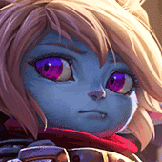

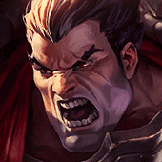












Rek'Sai
Strong early ganks + knock-up follow-up on your W/All Out.










 Synergies
Rek'Sai
Strong early ganks + knock-up follow-up on your W/All Out.


Champion Build Guide
there may be some points in here that might redundant or repetitive, this is my first time doing something like this and with 4 hours of sleep - teehee
Who is K'Sante?
K'Sante is a tank/fighter hybrid designed to be a flexible frontliner. In his base form, he focuses on short trades, defense, and controlling the pace of fights with his abilities. When he activates All Out, he sacrifices some tankiness for a big spike in damage, mobility, and dueling power. This dual identity is the core of the champion — knowing when to stay patient and when to fully commit is what separates average K'Sante players from good ones.
He thrives in the mid-to-late game as a durable engager who can still threaten carries, but he requires solid fundamentals in laning, wave management, and fight timing to reach that point consistently.
Strengths
Strong short-trade pattern with Q and empowered autos
Reliable engage tools through W and All Out
Scales extremely well with armor and magic resistance
High survivability in teamfights when played correctly
Can both peel for allies and dive the backline depending on the situation
Flexible builds (pure tank or more bruiser-oriented)
Weaknesses
Noticeably weaker early game than many top laners
Mana management matters — careless ability usage will leave you dry
Engages can be predictable and punished by experienced players
Struggles against true damage, high mobility, and strong kiting
Loses a lot of value if he wastes mobility tools (E and All Out)
Relies heavily on landing W for meaningful trades and engages
When to Pick K'Sante
Your team needs a frontline that can still deal respectable damage
The enemy composition lacks heavy true damage and extreme mobility
You have decent follow-up from jungle or mid (engage-heavy teammates are ideal)
The enemy top laner is someone you can short-trade against or outscale
You want a champion who can adapt between peeling and engaging
When to Avoid K'Sante
Multiple true damage threats on the enemy team (Vayne, Fiora, Camille, etc.)
Heavy ranged/kite compositions that can constantly space you
Your team already has enough tanks and needs more raw damage
You need a strong early-game laner to set the tempo
The enemy has strong anti-dash tools (especially Poppy)
Playstyle Overview
K'Sante is not a mindless engage tank. In the early game, he prefers short, controlled trades and careful wave management rather than long all-ins. As the game progresses, he becomes a powerful frontliner who can start fights with All Out or disrupt the enemy team while soaking damage.
The key to playing him well is patience in lane and decisiveness in the mid-to-late game. Force good W landings, respect your cooldowns, and only fully commit when the conditions are right.
Primary: Resolve
Grasp of the Undying — Best keystone for K'Sante. Gives permanent health, healing, and extra damage on short trades. Perfect for his preferred laning style.
Shield Bash — Excellent synergy with E. Adds damage and a small shield whenever you gain a shield.
Second Wind — Strong lane sustain after taking damage from the enemy champion.
Overgrowth — Extra permanent health as the game goes on.
Alternative: Revitalize if you want stronger shields and healing (especially with Unending Despair later).
Secondary: Inspiration
Biscuit Delivery — Extra sustain and a small permanent health increase.
Cosmic Insight — Summoner spell haste and item haste. Valuable for Flash/Teleport uptime.
Shards
Attack Speed
Health Scaling
Health Scaling
This is the most consistent and highest-performing page for the majority of games.
Aftershock Page
Primary: Resolve
Aftershock
Shield Bash
Second Wind or Bone Plating (Bone Plating vs heavy burst)
Overgrowth (or Unflinching if you want more tenacity)
Secondary: Inspiration
Biscuit Delivery
Cosmic Insight
When to take Aftershock:
Better in ranged matchups or when you expect to play more for teamfight engages than repeated short trades. Grasp is still stronger in most melee lanes.
Resolve + Domination Alternative
Primary: Resolve (same as standard — Grasp / Shield Bash / Second Wind / Overgrowth)
Secondary: Domination
Taste of Blood — Extra sustain on trades
Ultimate Hunter — Lower ultimate cooldown (best option)
This page gives more combat sustain and ultimate uptime at the cost of the utility from Inspiration. It is playable but generally slightly weaker than the standard Inspiration secondary.
Overall, Runes are pretty customizable. Although, resolve is thee best primary rune page.
This is the standard and most recommended combination for K'Sante in the large majority of games.
Flash is nearly mandatory. It gives you safety, chase potential, and better engage angles with W and All Out.
Teleport provides map presence, the ability to join fights or defend towers, and better side-lane pressure. K'Sante benefits a lot from being able to impact the map beyond his own lane.
When to Take Flash + Ignite
Take Ignite instead of Teleport when:
You are in a killable or favorable matchup and want early pressure
The enemy has strong healing and you want the Grievous Wounds
Your team has strong early game and you want to snowball the side lane
You expect a short game where map-wide Teleport value is lower
Ignite increases your ability to turn short trades into kills and makes your all-ins more threatening, especially around level 6.
Other Options
When to Take Flash + Exhaust
Exhaust is a situational defensive option. Consider it when:
You are against a heavy burst or duelist champion (e.g. strong 1v1 threats like Riven, Fiora, or certain assassins)
Your team already has enough damage and you need extra peeling/survivability
You want to reduce an enemy carry’s damage in teamfights while still having Flash for mobility
Exhaust helps you survive all-ins and reduces the damage of high-threat targets, but you lose the map pressure and kill secure that Teleport or Ignite provide.
Ghost is almost never worth taking on K'Sante in the current game.
Standard Skill Order
In the large majority of games you want to max Q first, then W, and leave E for last.
A typical path looks like this:
Level 1: Q
Level 2: W
Level 3: E
Then continue putting points into Q until it is maxed, followed by W, and finally E.
This order gives you the best mix of trading power, wave control, and all-in strength throughout the early and mid game.
Starting Q vs Starting E
Most of the time you should start Q. It is simply better for last-hitting, poking, and short trades — the things K'Sante wants to do in the first few levels.
The main exception is when you are against a champion with very strong early all-in pressure. In those cases, starting E can be better because the dash and shield give you a much safer way to survive the early levels. This is especially useful against champions who can force fights onto you before you have your full kit.
When to Max E Second
While maxing W second is the default, there are games where putting more points into E earlier makes sense.
You should consider maxing E before W when:
You need the extra mobility and shield uptime
The enemy has a lot of poke or skillshots
You expect to play more for teamfights than side-lane dueling
You are behind and value survivability over raw trading power
In these situations the extra shield and lower cooldown on your dash can be more valuable than the additional damage and stun duration from W.
Ability Usage Tips
Q – Ntofo Strikes is your primary trading tool. Use it to chip away at the enemy and apply marks. The third hit is noticeably stronger, so try to land it whenever possible.
W – Path Maker is the most important ability in your kit for both trades and engages. Landing a clean W often decides whether a fight goes in your favor. It can also be used defensively to block damage or create distance when needed.
E – Footwork gives you both a dash and a shield. It is a flexible tool that can be used to engage, escape, or simply survive a dangerous moment. Avoid wasting it without purpose.
R – All Out is your big transformation. It greatly increases your damage and mobility at the cost of some tankiness. Use it when you want to fully commit to a fight, make a pick, or turn a skirmish in your team’s favor. Activating it too early or in a bad spot can leave you vulnerable.
Overall, K'Sante rewards clean ability timing more than spamming. Focus on landing good Ws, using E with intention, and only going All Out when the conditions are right.
Core Philosophy
Your goal is usually to hit a solid resistance threshold early, then transition into the modern core of Unending Despair + Jak’Sho. Iceborn Gauntlet is the most common first item because it gives a mix of armor, health, ability haste, and a slow that helps you stick to targets. However, it is not always the correct first purchase.
First Item Decisions
Iceborn Gauntlet (Default)
This is your go-to first item in the majority of games. It gives you armor, a useful slow, and better wave control and short-trade power. Take it when:
The enemy top laner is primarily AD or mixed damage
You expect to be auto-attacking and short-trading regularly
The enemy team as a whole is not heavily magic-damage oriented
Kaenic Rookern (vs Heavy Magic Damage)
Rush this instead of Iceborn when the enemy top laner or the overall enemy team deals a lot of magic damage. The large magic resist, health, and shield make you much harder to kill against AP threats. Good examples include matchups like Rumble, Kennen, Mordekaiser, or when the enemy mid and jungle are both AP.
When to consider other first items:
Thornmail (or Bramble Vest components early) — Against heavy healing champions (Aatrox, Sett, Vladimir, Warwick, etc.) or when the enemy has multiple sources of sustain. Sometimes buying Bramble Vest early and finishing Thornmail later is enough.
Zeke’s Convergence — Situational into ranged or poke-heavy matchups where Iceborn’s slow is harder to apply. It gives teamfight utility and some tank stats.
Pure resistance components (multiple Chain Vests or Negatron Cloaks) — When you are behind or against very strong early pressure. Stacking raw armor or MR can be more valuable than forcing a complete item if you need to survive.
Second Item and Core
After your first item, the most common and strongest path is:
Boots (Plated Steelcaps vs AD, Mercury’s Treads vs AP/CC)
Unending Despair
Jak’Sho, The Protean
Unending Despair gives you excellent sustain and damage in prolonged fights, which pairs extremely well with K'Sante’s kit. Jak’Sho then provides the big resistance stacking and shield that turns you into a proper late-game tank.
You can sometimes delay Jak’Sho if you need a more specific defensive item earlier (for example, rushing Thornmail or Force of Nature second against extreme threats).
Reading the Enemy Composition
When deciding your build, look at these factors:
Enemy Comp Type. What to Prioritize.
Example Items
Heavy AD / Crit,Armor + anti-crit / anti-attack speed,"Thornmail, Randuin’s Omen, Frozen Heart"
Heavy AP / Magic Damage,Magic resist + sustain,"Kaenic Rookern, Force of Nature, Spirit Visage"
High Healing / Sustain,Grievous Wounds,Thornmail early
Lots of CC,Tenacity + general tankiness,"Mercury’s Treads, Force of Nature"
Mixed Damage,Balanced resists + Jak’Sho,Standard core
Mobile / Kiting Comp,Stickiness + slow utility,"Iceborn, Dead Man’s Plate"
Also consider whether the enemy has true damage. True damage reduces the value of pure resistance stacking, so you may need more health or different defensive tools in those games.
Situational Items (After Core)
Thornmail — Best against healing and auto-attackers.
Randuin’s Omen — Strong vs critical strike and attack speed champions.
Force of Nature — Excellent vs sustained magic damage and for the move speed.
Spirit Visage — Amplifies your healing and shields (great with Unending Despair).
Frozen Heart — High armor + attack speed slow aura + ability haste.
Dead Man’s Plate — Mobility and some armor; useful when you need to move around the map more.
Kaenic Rookern — Can still be built later even if you didn’t rush it first.
Example Builds
Standard (Most Games)
Iceborn Gauntlet → Plated Steelcaps → Unending Despair → Jak’Sho → Thornmail / Randuin’s → Situational
Heavy AP
Kaenic Rookern → Mercury’s Treads → Unending Despair → Jak’Sho → Force of Nature / Spirit Visage
Heavy Healing + AD
Iceborn or early Bramble → Plated Steelcaps → Thornmail → Unending Despair → Jak’Sho
Behind / Need Pure Tankiness
Stack resistance components early → Finish a defensive item → Move into Unending Despair and Jak’Sho when stable
K'Sante’s builds are flexible, but the core idea stays the same: get the right resistances for the game, then layer on the sustain and stacking power of Unending Despair and Jak’Sho. Always adapt based on what is actually dealing damage to you rather than following a static path.
General Approach
K'Sante prefers short trades over long all-ins in the early game. Your goal is to chip the opponent down with Q and empowered autos, land the occasional good W, and avoid taking extended fights unless you have a clear advantage. Because you scale well with resistances, surviving and farming cleanly is often more valuable than forcing kills.
Mana management is important. Spamming Q and W too freely will leave you unable to fight or clear waves when it matters. Use your abilities with intention rather than on cooldown.
In the early game, K'Sante’s main goals are:
1. Survive
2. Farm as cleanly as possible
3. Take short, controlled trades
4. Reach your first item without falling too far behind
5. Avoid unnecessary deaths
You are not trying to hard-carry the lane or force kills every game. You are trying to set up a strong mid-game. If you get out of lane with decent CS, a completed first item, and no major deficits, you are already doing well.
Trading Patterns
The most reliable early trade is a short Q → auto → walk away pattern. If the enemy steps up too far, you can look for a W to stun or slow them and follow up with more damage. After level 6, your All Out becomes a major threat, but you should still be careful about using it purely for a lane fight unless the conditions are good (enemy cooldowns down, jungle nearby, or a clear health advantage).
Respect the enemy’s key abilities. Many of K'Sante’s hardest matchups punish you for greedily staying in range after a trade. Take what you can and leave before they can fully retaliate.
Wave Management
Good wave management is one of the biggest differences between average and strong K'Sante players.
In difficult matchups, look to freeze near your tower when possible so you can farm safely.
When you have priority or the matchup is comfortable, you can slow push and look for a crash that lets you recall on a good timer.
Avoid constantly shoving if you do not have a plan. Pushing without vision or a reason often leaves you vulnerable to ganks and makes it harder to use your All Out effectively later.
Crashing a big wave before recalling is usually ideal so you do not lose too many minions while buying items.
First Recall Timing
Your first back should ideally happen after a wave crash or when you have enough gold for a meaningful purchase (resistance components, boots, or progress toward your first item). Backing on a bad wave can put you very far behind in experience and gold, especially against champions who push well.
If you are forced to back early while behind, prioritize pure defensive stats so you can return to lane and stabilize.
Level 6 and Beyond
Once you hit level 6, your kill threat increases significantly. All Out gives you the ability to turn short trades into longer fights or to make aggressive plays with your jungle. However, using All Out just to take a bad fight under the enemy tower is a common mistake. Save it for moments where you can actually convert the advantage.
From this point on, start looking at the wider map. Teleport becomes more valuable, and you should begin thinking about when to join skirmishes or defend other lanes rather than only focusing on your own.
Good times to use All Out:
When the enemy is already low
When your jungler is coming
When you can force a fight on your terms
When you need the extra mobility and damage to finish a skirmish
Bad times to use All Out:
Purely to take a desperate 1v1 under their tower
When the enemy has all of their cooldowns available
When you have no follow-up and will just get kited afterward
Treat All Out as a strong tool, not something you must press the moment it is available.
Playing Around the Enemy Jungler
Because K'Sante is not the most mobile champion early, you are vulnerable to ganks if you push without vision.
Simple habits that help:
Look at the minimap often
Avoid pushing when the enemy jungler has not been seen for a while
Ward when you can
Play closer to your side of the lane if you feel unsafe
Dying to a gank early often puts you very far behind, so prevention is better than trying to outplay every dive.
Key Early Game Goals
Stay healthy enough to contest farm
Reach your first item without falling too far behind
Avoid dying to ganks or all-ins
Create small advantages through clean trades and wave control
Set up for a strong mid-game transition
what are some starting items for k'sante?Doran's Helm + Health Potion is the standard and by far the most popular starting item for K'Sante right now (Patch 26.15).
Primary Start: Doran's Helm + Health Potion
This is the go-to in the large majority of games (~80% pick rate on sites like op.gg).
Why it works well on K'Sante:
Gives 150 Health + 8 Armor + 8 Magic Resist.
The mixed resistances are especially valuable in top lane, where you face both AD and AP damage (or champions that deal mixed damage).
The passive (Helping Hand) gives +5 bonus physical damage on-hit against minions, which helps with last-hitting and early wave clear — useful because K'Sante’s early Q damage isn’t the strongest.
The flat tank stats make early trades more comfortable and help you stay healthy for the first few levels while you look for good W timings or All Out windows later.
This is the default recommendation for most matchups.
Secondary Start: Doran's Shield + Health Potion
This is the main alternative (~19% pick rate).
When to take it:
Against heavy sustained poke or champions that chip you constantly (e.g., certain ranged tops, Teemo, Kennen, or persistent harass matchups).
When you expect to take a lot of small damage over time rather than big all-ins.
Doran's Shield’s sustain (healing over time after taking champion damage) is better for pure survival and staying in lane longer without backing. The trade-off is that you lose the flat resistances and the small minion damage help that Helm provides.
Other Occasional Starts
These are situational and much less common:
Cloth Armor + Health Potions (or Refillable) — vs pure AD bruisers/assassins where you want more armor early and plan to rush a defensive component.
Null-Magic Mantle — vs heavy AP tops when you specifically want early MR.
Very rarely, more aggressive options if the matchup is extremely favorable and you want to lean into early pressure, but K'Sante generally prefers the defensive starts.
Flash is nearly mandatory. It gives you reliable escape, chase, or setup for your W (Path Maker) and All Out engages. K'Sante’s kit already has strong mobility and unstoppable tools, but Flash covers the gaps and lets you make plays or survive bad situations.
Teleport is the classic top lane spell. It gives you map presence, the ability to join skirmishes or objectives, defend towers, or reset properly without losing too much. K'Sante scales well and wants to impact the map beyond just his own lane, so TP supports that playstyle.
This combination is what you’ll see on the vast majority of high-level K'Sante players (including strong one-tricks).
Secondary Option: Flash + Ignite
This is the main alternative.
When to take Ignite instead of Teleport:
Favorable or killable matchups where you want early/mid-game pressure and the ability to secure kills.
Against champions with strong healing or sustain (so the true damage + healing reduction matters).
When your team has strong early-game potential and you want to snowball the side lane rather than play for later map pressure.
Short or aggressive games where TP value is lower.
Ignite helps turn trades into kills more consistently, especially around your All Out windows or when you land a good W + Q combo.
Other Options (Rare)
Flash + Exhaust — Situational into certain matchups where you need to shut down a high-damage carry or duelist (more defensive).
Ghost is almost never taken on K'Sante in the current meta.
Standard First Item: Iceborn Gauntlet
Why it works so well on K'Sante:
Gives a solid mix of health, armor, ability haste, and a slow on-hit/around you that helps with sticking to targets and wave control.
The sheen-like proc and slow synergize with his Q (Ntofo Strikes) and auto attacks, improving his trading and chase potential.
It provides the defensive stats he wants early while still giving some damage and utility, bridging the gap until he gets more pure tank items.
Good build path (Sheen + Glacial Buckler components) that lets you buy useful pieces on early backs.
This is the default choice in most games, especially against AD or mixed damage matchups.
Common First Item Alternatives
Iceborn GauntletBest all-around balance of tankiness, utility, and damage
Heavy AP / magic damage lane or team, Kaenic Rookern - Strong MR + health + shield that helps against magic damage
Very aggressive / snowball potential- Zekes
Plated Steelcaps — Most common (vs AD-heavy)
Mercury’s Treads — Vs heavy AP or lots of crowd control
Typical Early Game Buy Path
Start Doran’s Helm + Health Potion (as discussed earlier).
First back(s): Often Chain Vest (vs AD) or Negatron Cloak (vs AP), or components toward Iceborn (Sheen / Glacial Buckler pieces) + boots.
Complete Iceborn Gauntlet as the first full item.
Then move into tank items like Unending Despair, Jak’Sho, The Protean, Thornmail, etc.
Quick Tips
Prioritize resists early — K'Sante scales extremely well with armor and magic resist because of how his kit and All Out form work.
Don’t force Iceborn every single game. If the enemy is pure AP (or your lane is very magic-damage heavy), going Kaenic Rookern first can be stronger.
Look at the enemy team composition, not just your laner, when deciding between armor vs MR first item.
Summary:
Go Iceborn Gauntlet first in the vast majority of games. It’s the bread-and-butter item that high-level K'Sante players (including one-tricks) rely on. Swap to Kaenic Rookern when magic damage is the bigger threat.
When your behind, ahead or even Here’s a clear breakdown of what to buy on your first back as K'Sante, depending on whether you’re ahead, even, or behind.
K'Sante’s early game revolves around stacking raw resistances (Armor or Magic Resist) as fast as possible. His kit (especially passive and All Out) scales very well with resists, so getting to solid armor/MR numbers early makes trades and skirmishes much easier. This is more important than rushing a full item most of the time.
1. When You’re Even (Standard / Most Common Case)
Goal: Get strong defensive components + start working toward Iceborn Gauntlet.
Typical first back buys (800–1200 gold range):
Chain Vest (vs AD laner) or Negatron Cloak (vs AP laner)
Boots (usually Plated Steelcaps components or full boots if you have the gold)
Control Ward + Health Potions / Refillable
If you have extra gold → Sheen or Glacial Buckler components
Priority order when even:
Correct resist component (Chain Vest or Negatron)
Boots
Control Ward + pots
Sheen (if you can afford it and the matchup allows auto attacks)
This keeps you tanky enough to trade while still progressing toward Iceborn Gauntlet.
2. When You’re Ahead
Goal: Convert the lead into stronger trading power and wave control while still staying tanky.
Preferred first back:
Sheen + resist component (Chain Vest or Negatron)
Or full Iceborn Gauntlet if you backed with a lot of gold (rare but strong)
Boots
Control Ward
Why Sheen is good when ahead:
The on-hit damage proc is very strong with your Q and autos.
It lets you push the lead harder in short trades and all-ins.
You still want at least one resist item so you don’t become glass.
If you’re very far ahead and the enemy is AD-heavy, buying two Chain Vests can also be strong (you become extremely hard to kill early).
3. When You’re Behind
Goal: Survive, farm safely, and not die again. Maximize defensive stats and sustain.
Best first back options:
Chain Vest or Negatron Cloak (whichever matches the damage type hurting you)
Preferably two resist components if possible (e.g. Chain Vest + another Chain Vest, or Chain Vest + Negatron)
Boots (for mobility to escape ganks)
Control Ward + as many potions as you can afford
Avoid Sheen if you’re struggling — the damage isn’t as valuable when you can’t safely trade
Key mindset when behind:
Prioritize pure tankiness over damage components.
A second Chain Vest or Negatron Cloak is often better than starting Iceborn components.
Buy a Control Ward every back if the enemy jungler is a threat.
Don’t greed for a big item. Small, efficient defensive buys keep you in the game longer.
Always match the resist type to the main damage you’re taking (your laner + enemy jungler).
K'Sante players (especially high elo one-tricks) often buy multiple cloth, Chain Vests or Mantleand Negatron Cloaks early before finishing big items. Hitting high resist numbers early is very valuable on him.
If you’re against mixed damage or both AD + AP threats, one of each (Chain Vest + Negatron) is fine.
Don’t forget a Control Ward — vision is especially important when behind or even. almost always worth it — dying again is much worse than being slightly poorer.
Avoid Sheen or Iceborn components. You need to stop dying first.
Potions are very valuable when behind so you can stay in lane longer and catch up on farm.
Don’t force a big item. Efficient small defensive buys keep you alive.
This chapter explains how to approach the mid and late game in a practical way.
Your Role in Mid Game
In the mid game (roughly after first items and when towers start falling), K'Sante is at one of his strongest points. You usually have your first major item, some levels, and access to All Out. Your job is to:
Create pressure in the side lane
Look for opportunities to join fights with Teleport
Be ready to frontline when objectives spawn
Use All Out to make decisive plays
You are not a pure split-pusher like some champions, but you can hold a side lane well and force the enemy to answer you.
Side Laning
When you are in a side lane during mid game, your goals are usually:
Apply pressure so the enemy has to send someone to stop you
Stay healthy enough that you are a threat if a fight breaks out
Be ready to Teleport to an objective or skirmish
Do not mindlessly push without looking at the map. If an important objective is about to spawn (Dragon, Herald, or later Baron), you should be thinking about whether you need to group or if your pressure is valuable enough to stay.
If the enemy sends one person to stop you, decide whether you can fight them, force them to stay, or if you should rotate. If they send two people, you have already created an advantage for your team elsewhere on the map.
Teamfighting as K'Sante
K'Sante can play teamfights in two main ways:
1. Primary Engager
You use your abilities and All Out to start the fight, looking to catch a key target or create chaos in the enemy backline. This works best when your team has strong follow-up.
2. Disruptive Frontliner / Peeler
You stay closer to your carries, using your crowd control and presence to stop enemy divers while still being a large, hard-to-kill threat in the middle of the fight.
Both styles are valid. The correct choice depends on your team composition and what the enemy is trying to do. If your team lacks engage, you may need to be the one who starts. If your carries are fragile and the enemy has strong divers, peeling can be more valuable.
Using All Out Correctly
All Out is your most important tool in the mid and late game. It greatly increases your damage and mobility, but it also makes you less tanky. Using it at the wrong time can get you killed quickly.
Good times to use All Out:
When you can reach a high-value target
When a fight is already starting and you need the extra damage
When you need the mobility to stick to someone or escape a bad position
When your team is ready to follow up
Bad times to use All Out:
At the very start of a fight with no follow-up
When you are already heavily focused and will die immediately
Just to clear a wave when nothing is happening
When the enemy still has too much crowd control ready to lock you down
Think of All Out as a commitment tool. Once you press it, you should have a clear purpose.
Teleport Usage
Teleport is one of your strongest assets in the mid game. Good Teleports can win games; bad ones can throw them.
Strong Teleport uses:
Joining a fight at Dragon or Baron
Defending a tower that is about to fall
Collapsing on a side lane fight where your team has an advantage
Catching the enemy while they are pushing too far
Weak Teleport uses:
Teleporting to a side wave that is not important
Arriving too late to a fight that is already over
Teleporting into a losing fight with no chance of turning it
Before you Teleport, quickly check the minimap and ask yourself whether your arrival will actually matter.
Late Game Principles
In the late game, fights become more decisive and mistakes are more costly. Your job is still to be a strong frontline presence, but positioning and timing matter even more.
Key late-game ideas:
Do not be the first one to die for free
Look for picks with your team when possible
Stay near your carries if the enemy has strong dive
Use All Out when it can actually change the fight
Respect vision — walking into the fog of war alone is dangerous
You are tanky, but you are not unkillable. Getting caught out before a major objective can lose the game even if you played well earlier.
What Good Mid/Late Game Play Looks Like
A strong mid and late game on K'Sante usually includes:
Applying meaningful side lane pressure
Making timely Teleports to objectives
Choosing the right moment to engage or peel
Using All Out with purpose instead of randomly
Staying alive long enough to impact the fight
Creating space so your damage dealers can do their job
You do not always need to get the kills yourself. Often your value comes from the chaos and space you create.
Common Mid/Late Game Mistakes
Pushing side lane with no map awareness
Teleporting too late or to the wrong place
Using All Out with no plan
Diving too deep with no follow-up
Ignoring your carries and letting them get assassinated
Taking bad fights right before major objectives
Avoiding these will already put you ahead of many players.
Final Mid/Late Game Mindset
You are the frontline.
Your presence should force the enemy to respect you.
Create space, make decisive plays with All Out, and use Teleport to impact the map.
If you can consistently arrive at mid game stable and then play with purpose, K'Sante becomes a very strong champion in the later stages of the game.
This chapter breaks matchups into tiers based on how threatening they are, explains why they are difficult, and gives clear advice on how to play them. Even if you are new to the champion, these guidelines should help you survive and find opportunities.
Extreme Threat Matchups
These are the hardest lanes. Expect to play carefully, give up some farm if needed, and focus on surviving until you have items.
Kayle
Kayle is safe, scales extremely well, and becomes very difficult to deal with once she gains range and levels. She can farm from a distance and outscale you hard if the game goes long.
How to play: Do not force early fights. Focus on clean CS and only take small trades when her key abilities are down. Accept that killing her is difficult and play for mid-to-late game teamfights instead.
Vayne
Vayne deals true damage that ignores your resistances, has a condemn that can interrupt your engages, and can kite you effectively. She is one of the most dangerous late-game threats you can face.
How to play: Never let her freely auto attack you. Use the minion wave as cover. Only fully commit when her Condemn is down and you can land a clean engage. Build armor early and consider Thornmail later. Your goal is to survive and scale.
Riven
Riven has high mobility, strong short trades, and good all-in potential. Her dashes make it hard for you to land clean abilities, and she can constantly re-engage.
How to play: Respect her early damage. Trade mainly when her Q or E is on cooldown. Save your W to interrupt her combos or to escape. Bone Plating is strong in this matchup. Look for windows after she uses multiple dashes.
Camille
Camille deals true damage, has a strong ultimate that locks you down, and can match or beat your trading patterns. Her kit is designed to duel tanks and bruisers effectively.
How to play: Avoid fighting her when her ultimate is available. Take short trades and leave. Space her hookshot carefully and use your E to help dodge it. Once she ults you, the fight is usually unfavorable unless you have a significant lead.
Major Threat Matchups
These lanes are clearly unfavorable. You need good play and often some help from your jungler to stay even.
Fiora
She deals true damage through her vitals and can parry your key abilities (especially W). She is built to win extended fights against tanks.
How to play: Do not stand still and give her free vitals. Trade when her parry is down. Avoid using W predictably. Short trades are safer than long ones. Build armor and consider Thornmail if she gets ahead.
Singed
Singed can proxy the wave, poison you constantly, and ignore traditional trading. He turns the lane into a slow, draining experience where you lose farm and pressure.
How to play: Do not chase him into his poison. Focus on wave management (freezing or slow pushing when possible). If he proxies, communicate with your jungler. Often it is better to play for mid-game teamfights than trying to “win” the lane normally.
Pantheon
He has very strong early pressure, a point-and-click stun, and high burst. He can bully you hard before you reach your stronger mid-game.
How to play: Play extremely safe until level 6 and beyond. Respect his early all-in potential. Use E to help mitigate damage. Once you reach mid-game, your tankiness starts to outscale his early strength.
Poppy
Her W blocks dashes, which heavily limits your E and parts of your All Out mobility. This removes a big part of how you normally play.
How to play: Do not rely on dashing while her W is available. Look for trades that do not require your dash first. Save big engages for when her W is on cooldown. Play more like a traditional tank in this matchup.
Shen
Shen is safe, tanky, and difficult to force out of lane. His taunt can disrupt your engages, and his ultimate gives him strong global pressure.
How to play: Focus on CS and small advantages. Do not overcommit when his taunt is up. Track his ultimate and play around it. This is more of a macro matchup than a pure laning one.
Darius
Once he stacks his passive on you, the fight becomes very dangerous due to true damage and healing. His pull makes it hard to escape.
How to play: Never take long fights if he can stack his passive. Short trade with Q and leave. Respect his pull range. Avoid fighting when he already has stacks ready.
Sett
His W deals heavy true damage based on the damage he takes, and he is strong in extended fights.
How to play: Do not take long trades where he can charge his W. Try to bait it out before fully committing. Short trades are better. Be careful when you are low health, as his W can finish you.
Gwen
She deals a high amount of true damage, has range on her abilities, and builds sustain. Your resistances are partially ignored.
How to play: Avoid long fights where she can keep stacking and snipping you. Take short trades and leave. Respect her ultimate. Build armor earlier than usual.
Mordekaiser
His ultimate isolates you in a 1v1 realm where you cannot receive help. Inside it he has strong sustain and damage.
How to play: Never take a fight when his ultimate is available unless you are significantly stronger. Track his R cooldown closely. Outside of his ultimate, the matchup is much more playable.
Olaf
He has strong early damage, built-in sustain, and an ultimate that makes him unstoppable (ignoring crowd control).
How to play: Play conservatively early. Do not fight him when his ultimate is active. Survive the early and mid game, then use your better scaling later.
Aatrox
He has long-range sweet-spot Qs that deal heavy damage and heal him, plus strong all-in potential with his ultimate.
How to play: Focus on dodging the sweet spots of his Qs (especially the third one). Short trades are better than extended ones. Do not greed for extra damage after he lands a good Q. Avoid committing when his ultimate is up.
Even / Skill Matchups
These lanes are winnable with good play, but mistakes are punished.
Garen — Respect his silence and do not take long fights when it is up. Short trade and leave. Focus on clean CS.
Illaoi — The matchup revolves around her E. If she lands it, leave immediately. If she misses, punish her. Clear tentacles when it is safe.
Gnar — Use the wave as cover against Mini Gnar. Track his rage bar and prepare for the all-in when he transforms into Mega Gnar.
Yorick — Do not let the Maiden control the lane for free. Avoid long fights near multiple ghouls. Wave control is very important.
Urgot — Respect his shotgun knees. Trade when his passive is down. Be careful when low because of his execute ultimate.
Irelia — Do not let her stack her passive freely on you and minions. Fight when her passive is down.
Jax — Never auto him while Counter-Strike is active. Trade around that cooldown.
Kled — Respect him heavily while mounted. Punish hard when he is dismounted.
Teemo — Do not trade when his blind is up. Buy early magic resist if the poison is bothering you.
Jayce — Use the minion wave as cover against his poke. Engage when he is in melee form or after he uses key abilities.
Rumble — Respect his heat and Equalizer. Take short trades and avoid fighting inside his ultimate.
Minor and Favorable Matchups
These are generally more comfortable for K'Sante:
Renekton — Strong early, but you scale better. Respect the early game.
Ambessa — Manageable with good spacing and trading.
Ornn / Malphite / Dr. Mundo — Safe tanks. Focus on CS and small advantages rather than forcing kills.
Nasus, Sion, Volibear, Cho’Gath — Usually favorable. You can often zone or outscale them with proper play.
General Matchup Advice for Newer Players
Know the threat level before the game starts. If you see an Extreme or Major threat, plan to play safer from level 1.
Short trades are your friend. K'Sante wins most of his favorable exchanges by taking a little damage, dealing a little more, and walking away.
Track key enemy cooldowns. Many difficult matchups become much easier once their main ability is down.
Do not be afraid to give up some CS. Dying and falling further behind is worse than missing a few minions.
Ask for jungle help in hard lanes. A single good gank can stabilize a difficult matchup.
Your power spike is mid-game. Many hard lanes become playable once you have your first or second item and some levels.
Mastering matchups takes time. Start by learning the Extreme and Major threats well, then expand your knowledge from there. Even understanding why a matchup is hard will already put you ahead of many players.
This chapter explains what K'Sante wants from a team, which types of champions pair well with him, and how to think about team composition even if you are still learning the champion.
What K'Sante Wants From a Team
K'Sante is at his best when he has:
Follow-up on his engages
Damage dealers who can take advantage of the space he creates
Some form of peel or protection so he is not completely alone
Teammates who can play around his All Out and crowd control
He struggles more when his team has:
No engage or follow-up
Very little damage
Multiple champions who all want to be the only frontline
A pure poke style with no way to force fights
In short: K'Sante likes teammates who can either start fights with him or clean up after he creates chaos.
Ideal & Strong Synergies
These are the kinds of champions that generally feel good with K'Sante.
Jungle
Engage and gank-oriented junglers (Rek’Sai, Xin Zhao, Jarvan IV, Vi, Sejuani, Zac)
Champions who can follow up on your W or All Out and turn a skirmish quickly
These junglers help you get through harder lanes and make your mid-game engages much stronger.
Mid Lane
Champions with good follow-up crowd control or burst (Syndra, Orianna, Vex, Lissandra, Zoe)
Mobile damage dealers who can clean up after you go in (Akshan, certain assassins in the right games)
A mid laner who can punish the enemy when you engage makes your presence far more threatening.
Support
Engage supports (Rell, Nautilus, Leona, Rakan, Thresh, Alistar)
Enchanters who can peel and buff you (Lulu, Janna, Karma, Nami)
Engage supports let you chain crowd control. Enchanters make you harder to kill and increase your effectiveness as a frontliner.
ADC
Damage carries who benefit from space and chaos (Kai’Sa, Samira, Jinx, Xayah, Zeri, Draven)
These champions can deal a lot of damage once you have forced the enemy to focus on you or created openings.
Okay Synergies
Many standard compositions fall into this category. You can still play perfectly well, but the synergy is not especially strong or weak.
Examples include:
Generic tanky junglers with less engage
Control mages who offer less immediate follow-up
More passive enchanters
Hyperscaling ADCs that need a lot of protection
These games are playable. You just have to be more careful about when you force fights.
Low & Poor Synergies
These are the compositions that feel awkward or actively difficult.
Low synergy examples:
Teams with almost no engage
Very poke-heavy compositions that never want to hard fight
Teams that rely entirely on one hyper-carry with no additional presence
Poor synergy examples:
Multiple pure tanks and no real damage
No one who can follow up on your All Out
A team that forces you to be the only person who can start a fight while also being the only person who can peel
In these games you often feel like you are doing a lot of work for very little result.
How to Think About Team Composition as a Newer Player
You do not need to be an expert on every champion. Instead, ask yourself a few simple questions during champion select and loading screen:
Does my team have any engage besides me?
If not, you may need to be the primary engager more often.
Does my team have enough damage?
If your team is very tanky and low damage, you will have to play more carefully and look for picks rather than long fights.
Who is going to deal with the enemy’s biggest threats?
If the enemy has strong divers, you may need to stay closer to your carries.
Do I have follow-up if I go All Out?
If the answer is no, you should be more selective about when you fully commit.
These simple questions already help you make better decisions in game.
Playing Around Your Teammates
Even with strong synergies, you still need to play correctly.
If you have strong engage teammates, look for opportunities to chain your crowd control with theirs.
If you have enchanters, you can afford to play a bit more aggressively because of the extra shields and healing.
If your team is more passive, focus on creating pressure in the side lane and only forcing fights when the situation is clearly good.
Communicate when you are about to engage (even simple pings help).
K'Sante is strongest when the team plays together around the openings he creates.
Early Game Mistakes
Playing too aggressively
K'Sante is not a strong early duelist in most matchups. Trying to force long fights or all-ins before you have items often leads to dying or falling behind.
Spamming abilities and running out of mana
New players often use Q and W on cooldown. This leaves them unable to trade or clear waves when it actually matters. Use your abilities with purpose.
Ignoring wave management
Constantly pushing with no plan makes you easy to gank and causes you to lose farm when you recall. Learn to crash waves before backing when possible.
Refusing to give up farm in hard matchups
In Extreme or Major threat lanes, it is better to miss a few minions than to die trying to contest everything. Survival comes first.
Bad first recalls
Backing while a big wave is crashing into your tower, or backing with almost no gold, puts you further behind. Try to recall on better timing.
Mid Game Mistakes
Using All Out with no plan
Pressing All Out just because it is available is one of the biggest mistakes. You should have a clear target or purpose before activating it.
Teleporting too late or to the wrong place
A late Teleport into a fight that is already lost wastes the spell. Check the minimap and make sure your arrival will actually matter.
Pushing side lane with no map awareness
Mindlessly shoving while objectives are up or while your team is fighting elsewhere often leads to getting collapsed on or missing important fights.
Diving too deep without follow-up
Going all-in on the enemy backline when your team cannot follow up usually just gets you killed.
Late Game Mistakes
Getting caught out before objectives
Walking into fog of war alone or overextending right before Baron or Elder Dragon can lose the game even if you played well earlier.
Ignoring your carries
If the enemy has strong divers and you are not nearby to peel, your carries can die before you accomplish anything.
Taking random fights
Late game fights should usually have a purpose (objective, pick, or clear advantage). Starting random fights in the middle of the map often backfires.
Forgetting you are less tanky in All Out
Many players activate All Out and then play as if they are still just as durable. You become much easier to kill in that form, so positioning still matters.
General Mistakes Across the Game
Forcing the same playstyle every game
Sometimes you need to be the main engager. Other times you need to peel. Playing exactly the same way regardless of team composition is a common issue.
Overvaluing kills
K'Sante’s value often comes from the space he creates, the crowd control he lands, and how long he stays alive. You do not always need to get the kills yourself.
Not adapting itemization
Building the exact same items every game without considering the enemy’s damage type or healing is a frequent mistake. Look at what is actually hurting you.
Tilt from hard matchups
Some lanes are simply difficult. Continuing to fight them the same way after already falling behind usually makes the game worse. Reset, farm, and look for a better moment.
How to Improve
The fastest way to reduce these mistakes is to review your own games with a simple question:
“What was the biggest unnecessary mistake I made this game?”
Most of the time it will fall into one of the categories above. Fixing even two or three of these habits will noticeably improve your results on K'Sante.
These are simple, high-value sequences worth practicing:
Basic short trade: Q → Auto → walk away
Stronger trade: Q → Auto → W → Auto
Engage pattern: E (toward enemy) → W → Q → All Out (when committing)
All Out follow-up: Activate All Out → use the extra mobility to stick to a target → continue with Q and autos
Defensive use: W to interrupt an enemy dash or ability, then E away if needed
You do not need flashy mechanical combos to play K'Sante well. Clean, consistent execution of the basics is far more important.
Quick Insights
Landing W is often more important than landing everything else. A good W creates the opening; a missed W frequently ends the play.
K'Sante’s damage scales with resistances. Building armor and magic resist does not only make you tankier — it also makes you hit harder.
All Out is a commitment tool, not a button you press on cooldown. Have a reason before you use it.
Short trades win more lanes than long fights in the early game.
You do not always need to be the one who gets the kills. Creating space and landing crowd control is frequently just as valuable.
Mana matters more than it first appears. Running dry at the wrong time loses waves and fights.
In hard matchups, surviving and reaching your items is already a win.
Noticeable Strengths
Excellent mid-game presence once he has items
Strong ability to both engage and peel depending on what the team needs
Scales very well with armor and magic resist
High survivability in coordinated fights
Meaningful damage for a tank, especially in All Out form
Flexible itemization that can adapt to different enemy compositions
Good side-lane presence with Teleport available
Noticeable Weaknesses
Relatively weak early game compared to many top laners
Struggles against true damage and high mobility
Predictable engages can be punished
Mana hungry if abilities are used carelessly
Less effective when the team has no follow-up
Can be kited if mobility tools are wasted
Reliant on landing W for many of his best plays
Final Thoughts
K'Sante is a champion who rewards patience, clean decision-making, and understanding of when to go from controlled tank to decisive bruiser. He is not the easiest champion to pick up, but he becomes very rewarding once you stop forcing the early game and start playing for the mid and late game strengths that actually define him.
The biggest improvement most players can make is simple:
Stop trying to dominate every lane, and start focusing on arriving at mid-game stable, with items, and ready to impact the map.
Master the short trade.
Land your W.
Use All Out with purpose.
Adapt your items to the enemy.
Play for the teamfight and the objective.
Do those things consistently, and K'Sante becomes a powerful and reliable pick.
That brings this guide to a close.




You must be logged in to comment. Please login or register.