





 [S16] Rank 1 Kassadin Complete Guide | By Coach xblademojo

 Build Guide By xblademojo
1051
83
 2,410,559
Views
 41
Comments
2,410,559
Views
41
Comments
Kassadin Build Guide By xblademojo

 Thank You!
Your votes and comments encourage our guide authors to continue
creating helpful guides for the League of Legends community.


Recommended Items


Runes: Snowball & Learning Champ







+8 Ability Haste
+9 Adaptive (5.4 AD or 9 AP)
+10-180 Bonus Health













Spells:

Flash

Teleport


Items


Ability Order Standard

Void Stone (PASSIVE)
Kassadin Passive Ability


Threats & Synergies
 Threats
 Synergies
 Show All
Extreme Threats
Ideal Synergies
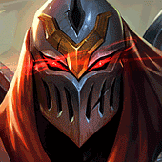
Zed
Difficult but manageable with the correct defensive setup. Take Exhaust, use it during Death Mark, and build early health before completing Rod of Ages. Save Riftwalk while his ultimate is available. See the Matchups chapter for the complete setup and lane plan.







Shaco
Best Champion to help you snowball through early game, submissive shaco otp is all you need for DuoQ.






 Synergies
Shaco
Best Champion to help you snowball through early game, submissive shaco otp is all you need for DuoQ.


Hi, I'm Mojo! I've been playing League since Season 3, reaching Challenger on EUNE and achieving Rank 1 on
Kassadin, Annie, and Senna. These days, I mainly play Mid and Support, with my ranked focus on EUW.As a full-time coach, I help players understand their mistakes, build better habits, and turn every game into a learning opportunity. My goal is to give you clear, practical steps that help you improve and climb with confidence.
Free educational content on YouTube, live gameplay on Twitch, and a welcoming Discord community.
Kassadin rewards patience, smart decision-making, and knowing exactly when to take a risk. His early game teaches you to make every decision count, while his scaling gives you the tools to become a major carry threat.


Understand the reasoning, then adapt. Your runes, items, and decisions should change with the matchup and game state. Use these explanations as your foundation, apply them in your own games, and learn when each option makes sense.
Learn how each champion works, understand their strengths, and climb with a clear game plan.
Control the lane, lock down priority targets, and bring consistency to mid.
Manage your passive, make every stun count, and become a reliable teamfight threat.
Older guide — some recommendations may no longer match the current patch.
Current build recommendations & guide updates
Muramana, the added physical damage helps diversify your team's damage profile. Rod of Ages, so your positioning and target selection become even more important.Read the item notes and rune notes to understand when each option is worth choosing. For more explanations and gameplay examples, check out my YouTube videos.
I regularly update this guide as patches and the meta change, while testing new
Kassadin builds on stream. A comprehensive YouTube guide is also coming soon. Archive — Season 14 Screenshots
+ Strong Scaling & Earlier Spikes Than Expected
+ Highly Mobile Mage-Assassin
+ Strong Into AP-Heavy Compositions
+ Excellent Side-Lane Pressure & Rotations
+ High Carry & Snowball Potential
+ Flexible Build Options
You do not have to wait for Level 16.
Kassadin can become a threat much earlier by recognising favourable trades and playing around his item spikes. Adapt your setup to the matchup, then use your mobility to pressure side lanes, look for picks, and join important fights.
− Vulnerable to Early Dives
− Limited Early Lane Priority
− Squishy with Damage-Heavy Builds
− Harder to Teamfight Without a Frontline
− Punishing Matchups & Mistakes
− Limited Crowd Control
Protect your early game.
Your limited early priority can make it difficult to move first to river fights. Communicate when you cannot follow, respect enemy dive setups, and avoid forcing losing skirmishes. Falling behind makes Kassadin's hardest matchups even more punishing.
Flash & Teleport
Standard Setup
Flash is essential on Kassadin. It helps you survive the early game, outplay opponents, and secure kills. Cast it during Riftwalk to extend the reach of your engage, or combine Force Pulse with Flash to catch an opponent off guard. Teleport helps you recover from difficult lanes and return quickly after a reset. It can also help you answer an enemy roam and, later in the game, pressure a side lane while remaining ready to join your team for an important fight.
Ignite
Lane Pressure & Kill Potential
The current Homeguard movement speed makes playing without
Teleport more manageable. I take Ignite when I want more kill pressure in lane and a better chance to snowball after level 6.Choose it when you want to play for a lane advantage, but remember that you give up Teleport's safety after a bad recall and its later side-lane pressure.
Barrier
Protection Against Burst
Barrier is another option I like in Season 16, especially against difficult assassin matchups. Its shield helps you survive their burst and can turn an enemy dive or all-in in your favour.Use it to bait opponents into overcommitting. Even at higher ranks, players can underestimate how much damage the shield absorbs.
Exhaust
Reduce Assassin Burst
Exhaust is a strong defensive option against burst assassins such as Diana, Zed, and Naafiri. Use it as they commit their key burst abilities — Diana's Moonfall, Zed's Death Mark, or Naafiri's engage with Hounds' Pursuit — to reduce their damage and survive the all-in.If they can no longer finish you, use
Riftwalk to disengage or turn the fight once their main cooldowns are down.Teleport for consistency and map pressure. Ignite for kill pressure. Barrier against burst. Exhaust against predictable assassin all-ins.
My Default Keystone • Consistent Burst
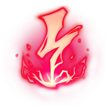
Electrocute is my most consistent default rune on Kassadin. It fits his short trades and burst combos, giving you reliable damage whenever you find an opening and much stronger kill pressure after level 6. I especially like it into melee matchups and squishy teams, as well as in games where I am my team's only AP threat.
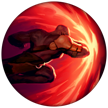
Sudden Impact deals bonus true damage when you damage a champion after dashing or blinking. Riftwalk activates it naturally in your combos after level 6, adding damage to both short trades and all-ins. Track the rune's cooldown when looking for repeated trades.
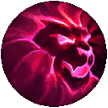
Grisly Mementos grants Trinket Haste as you collect champion takedowns. The shorter trinket cooldown helps you maintain vision around mid lane and later clear wards with Oracle Lens before setting up a flank or pick.
Ultimate Hunter grants Ultimate Haste for unique champion takedowns, reducing Riftwalk's cooldown. This gives you more opportunities to reposition, chase, escape, and deal damage throughout a fight. I value it whenever mobility is key to taking over the game.Choose the pair that best fits your matchup and game plan.
Sustain & Durability
Second Wind is my sustain option against repeated ranged poke. It pairs well with Doran's Shield, helping you recover between trades and stay in lane when the opponent can constantly chip away at your health.
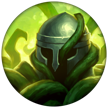
Overgrowth gives you additional health as the game progresses. I take it when I want more durability alongside my other defensive rune, making me harder to kill as I farm and reach my item spikes.Mana & Trading Pressure
Presence of Mind restores mana when you damage an enemy champion, with a cooldown between activations, and refunds more mana on takedowns. It helps you keep trading and can give you enough mana to continue a fight or escape after securing a kill.
Cut Down increases your damage against champions above 60% health. It strengthens the opening part of your trade or combo, helping you bring a healthy target into kill range before committing to the all-in.
Alternative • Scaling & Item Spikes
I take this against tanky laners or with the
Rod of Ages build when I cannot realistically kill my opponent but can farm and scale safely. First Strike rewards you with extra gold when you strike first, helping you reach your item spikes sooner.Look for safe opportunities to proc it. Proccing it early can be difficult against ranged poke, so do not sacrifice too much health for a small amount of gold. The
Inspiration tree also provides additional tools that support this scaling setup.
Alternative • Early Pressure Against Mages
I take
Deathfire Touch against ranged mages with limited sustain who can heavily pressure Kassadin early, such as Zoe, Azir, Syndra, Orianna, and LeBlanc. Its extra damage makes your poke more meaningful and helps you contest the lane before reaching your main item spikes.This is a matchup-specific choice: land safe poke whenever possible and gradually wear your opponent down before committing to an all-in.
Situational • Extremely Tanky Teams
I reserve
Conqueror for extremely tanky compositions, usually with four or more tanks or other durable champions. These games give you enough time to stack its bonus AP and benefit from the healing once it is fully stacked. It works best in extended fights where you can cast several spell rotations.I also consider it against very tanky full-AD teams, where a defensive build helps me stay in combat while Conqueror provides additional damage. Only choose it when fights will last long enough for you to stack it.
Adjust the defensive pair when your matchup calls for it.
Bone Plating
Short Trades & Burst
I replace
Second Wind with Bone Plating against melee opponents when it can help me win a short trade or absorb their all-in. Play around its cooldown and avoid letting the opponent proc it for free before committing.
Unflinching
Protection During Crowd Control
I consider
Unflinching instead of Overgrowth against teams with heavy crowd control. It grants armor and magic resistance when an enemy slows or immobilizes you, helping you survive their damage while you are locked down.
Ability Haste • Adaptive Force • Scaling Health
Ability Haste
First Shard
My standard first shard. The extra Ability Haste lowers
Kassadin's basic ability cooldowns, helping him farm, trade, and fight more effectively.
Adaptive Force
Second Shard
My standard second shard. The extra Adaptive Force improves
Kassadin's damage, last-hitting, and early trades.
Scaling Health
Third Shard
My standard third shard. It gives
Kassadin more health as the game progresses and fits his scaling game plan.
Passive • Magic Damage Reduction & No Unit Collision
Void Stone reduces the magic damage Kassadin takes by 10% and lets him ignore unit collision. The damage reduction is especially useful against teams with heavy magic damage.You can move through minions and champions without getting body-blocked, making it easier to reposition in lane.
Q • Safe Farming, Shielding & Interrupts
Save Q to Interrupt Key Channels
Null Sphere can interrupt channeled abilities such as Katarina's Death Lotus or Fiddlesticks' Crowstorm before he blinks. Save Q when stopping the channel matters more than using it for damage. Null Sphere helps you survive difficult lanes. Use it to secure last-hits from range and time the shield to absorb incoming magic damage. Prioritise farming safely when using Q for poke would leave you unable to contest the next CS.If you take
Taste of Blood in a situational setup, hitting a champion with Null Sphere can proc its healing. Q is a targeted spell, so you need vision of the enemy to cast it on them.
W • Short Trades & Mana Sustain
Preparing W During Stasis
You can activate
Nether Blade during Zhonya's Hourglass stasis to prepare your empowered auto. You still need to wait until stasis ends before you can attack. Nether Blade helps you last-hit and restore mana. Its active gives your empowered auto extra range and resets your auto-attack timer. Auto first, then press W to land the empowered hit immediately afterwards.In some melee matchups, starting W lets you trade at level 1. The empowered auto can also finish a low-health target, including after using
Flash to get into range, and can help proc Electrocute.
E • Wave Clear & AoE Slow
Track the Cooldown
Abilities cast near
Kassadin reduce Force Pulse's remaining cooldown. Your own spells and nearby allied or enemy casts all contribute, so watch for E coming back up sooner during fights. Force Pulse is your main wave-clear spell and deals strong AoE damage early. Use it to manage the wave, shove for a recall, or get priority to roam.Punish enemies who step into E range with poke. The AoE slow also helps you engage, disengage, or peel for your teammates. Use
Force Pulse → Flash to catch an opponent off guard.
R • Mobility, Picks & Repositioning
Extend Your Engage with R + Flash
Use
Flash during Riftwalk's cast time to extend your engage range and land R damage on a target further away. Practise the timing so you Flash before the blink completes. Riftwalk gives Kassadin the mobility to cross walls, rotate quickly, chase kills, and disengage. Saving R when the enemy jungler could be nearby makes you much harder to gank.Time your blink to dodge skillshots such as
Blitzcrank's Rocket Grab. Learning when to use R aggressively and when to save it helps you find better engages, reposition in fights, and reach teammates who need help.
Auto Attack →
Nether BladeUse this when the enemy is in auto range and you can trade safely. Let the first auto land, then activate
Nether Blade to reset your auto-attack timer and follow up with the empowered hit. Force Pulse → Auto Attack → Nether Blade → Null SphereLook for this combo before level 6 when the enemy mispositions or uses a key spell. Check which abilities they still have available and whether they can turn the trade before committing.
Riftwalk → Force Pulse + Null SphereUse
Riftwalk to get into E and Q range without landing directly on the enemy. Cast your poke, then back off. Repeat this trading pattern to bring them into kill range for an all-in. Riftwalk → Force Pulse → Auto Attack → Nether BladeUse this combo when you can land R on the enemy and win the trade without getting burst down in return. An even trade can also be worthwhile if it sets up a kill on your next engage.
Use
Null Sphere early in your combo when you need its shield to absorb incoming magic damage. Adjust the order when you need to save Q for an interrupt, such as Katarina's Death Lotus.Watch the examples, then practise choosing the right combo for each trading opportunity.
Riftwalk + Flash • Turn an Opening Into a Kill
Use Stasis to Wait for Cooldowns
In late-game fights, use
Zhonya's Hourglass to buy time for Riftwalk and your other spells to come back up.With an Extra Auto Attack:
Riftwalk → Flash → Auto Attack → Nether Blade → Null Sphere → Force PulseAdd an auto before
Nether Blade when you have time and the target is in range. It increases your damage but makes the combo slower. If you need faster burst, go straight into the empowered W auto.
I usually max
Force Pulse first for its AoE damage and wave clear.Difficult Mage Lanes — Three Early Points in Q
Against mages who constantly poke you, consider putting three early points into
Null Sphere. The stronger magic shield helps you stay healthy enough to keep farming.Second Max — Nether Blade
I usually avoid maxing
Null Sphere first because it offers less wave clear and AoE damage in skirmishes than E. After Force Pulse, I generally max Nether Blade for stronger empowered autos and more mana restored.Save
Null Sphere when interrupting a key channel matters more than adding Q damage to your combo.
My preferred start in low-poke lanes and my greediest, most gold-efficient starting option. Its stats are comparable to
Doran's Ring, and pairing it with Refillable Potion gives you good value and the chance to snowball as you gain stacks. However, it offers less sustain against poke than Doran's Shield. Avoid taking it into poke mages unless you are confident you can handle the matchup. I mainly take it into lanes where the opponent cannot consistently harass me, such as Veigar, Aurelion Sol, and Malzahar. If you need a safer start, you can still buy Dark Seal on your first back and begin stacking it then.
The safest option against heavy poke. Its health regeneration helps you sustain through poke, and the item also makes last-hitting easier. Pair it with
Second Wind to recover from repeated harassment. It is especially useful into champions such as Lux, Orianna, and Viktor.
A defensive start against champions with strong all-ins, such as
Fizz, Ekko, Pantheon, or Irelia. Its health, armor, and magic resistance help you survive their combo and trade back without losing too much HP. The bonus damage your basic attacks deal to minions also makes last-hitting easier.Choose your purchase based on your gold and how the lane is going.
I prioritise
Catalyst of Aeons when building Rod of Ages against a skilled opponent who can consistently poke me, or an assassin with strong burst. The extra health helps me survive their combo, while the mana and sustain let me stay in lane longer to farm and trade.
A good choice against burst-heavy matchups or when I recall with less than 850 gold and need extra health. It helps me survive the opponent's combo and builds into
Catalyst of Aeons when going for Rod of Ages.
Aim to buy
Tear of the Goddess on your first or second back. With 850 gold, I usually prioritise Blasting Wand; below that, Tear is a good option if I do not need immediate health. Buying it early lets you start stacking sooner, so you can get Seraph's Embrace or Muramana earlier, depending on your build.
Rod of Ages → Archangel's Staff → MalignanceMalignance is my offensive third item here. Choose a defensive item instead when you need one.
My default first item and my most consistent option. It gives
Kassadin health, mana, and scaling. It is especially valuable against tank-heavy teams and compositions with multiple assassins. You give up some early kill pressure, but the extra durability makes it easier to survive until your mid- and late-game spikes.
My standard second item after
Rod of Ages. It provides AP and mana, increasing your Riftwalk damage, and gives you a shield once it transforms into Seraph's Embrace. This is my most reliable two-item core for damage, scaling, and survivability.
A good third item in the
Rod of Ages build when I want more mobility and burst. A lower Riftwalk cooldown lets me chase, reposition, and deal damage more often, making it a strong offensive option when I do not need a defensive item. It is also a good first item for my one-shot builds, giving me earlier kill pressure against squishy teams. Rushing it suits an aggressive, glass-cannon playstyle: I can look for kills earlier, but I am easier to burst down than when starting Rod of Ages. I find this build less consistent, so I choose it when I want to prioritise early aggression.
A situational second item rather than my default choice. Consider it when the enemy team is extremely tanky or when your team already has too much magic damage. Once it transforms into Muramana, it adds physical damage to your combos, helping balance out your team's damage.
A strong fourth or fifth item when enemies start stacking magic resistance. It is especially useful against tanky targets with high MR. If the enemies you need to kill have little MR, prioritise more AP or a defensive item instead.
A strong damage purchase once your core build is complete. It greatly increases your AP and works best when you already have enough mana and survivability. Delay it if you need a defensive item or another situational purchase first.
If you have
Dark Seal and a strong lead, upgrading it can help you snowball further. Consider it as a second or third item when you have plenty of stacks and are confident you can stay alive to keep them.
An excellent defensive choice against crit-based champions, especially when they are the enemy team's main carry. Good examples include
Tristana and Tryndamere, as well as Kindred or Akshan when they build crit. Consider it third or fourth when surviving their damage matters more than building another damage item. Always check their actual build: I choose Randuin's specifically against crit, so an enemy being AD is not enough on its own.
Provides a large amount of magic resistance and a shield. Build it against AP-heavy teams or when a fed enemy mage is the main threat you need to survive.
Provide flat magic penetration and are my best offensive option against squishy targets with low MR.
Help make up for the lack of early ability haste in the
Rod of Ages build. Consider them against tankier teams when you value shorter cooldowns more than magic penetration.
Effective against champions who rely on auto attacks and against full-AD teams. You can rush them to survive lane more easily, then continue your usual build.
Know what each spike allows you to do — and play around it.
Level Spikes
Level 6 — Unlock Riftwalk
Use
Riftwalk to enter Null Sphere and Force Pulse range for safe poke, punish an opening, or disengage from a dangerous trade.Level 11 — Lower Riftwalk Cooldown
Your second point in
Riftwalk lowers its cooldown. Use the extra mobility to pressure a side lane, look for picks, and reposition more freely during fights.Level 16 — Maximum Mobility
Your third point gives
Riftwalk its shortest base cooldown. Use that mobility to find a flank on an enemy carry, but always keep enough mana for your next cast.
Item Spikes
First Recall — 850 Gold
Blasting Wand improves your wave clear and trading damage. Combined with Level 6, it gives you a much stronger window to threaten a kill.One-Shot Build — Malignance
Completing
Malignance is the first major spike in your one-shot build. Use the added burst and lower Riftwalk cooldown to pressure your opponent and look for kills.Standard Two-Item Core
Rod of Ages + Archangel's Staff gives you the mana, AP, and durability needed for consistent mid-game fights. Once Archangel's Staff transforms into Seraph's Embrace, its shield makes committing to fights much safer.
Winning mid is about more than beating your opponent in a 1 vs 1. As
Kassadin, you can build a lead through wave management, vision control, good roam timings, and well-timed trades.
Fast Pushing means clearing the wave quickly to get lane priority and create time to recall, ward, roam, or help with an objective. Fully crash the wave so your opponent has to catch it under their turret.
Keeping the wave just outside your turret range makes it easier to farm against opponents who can punish you for walking up. You will not always be able to control the wave, especially when the enemy has stronger wave clear, so adapt to their push.
If the enemy holds the wave on their side, walking up for CS leaves you vulnerable to trades and ganks, especially before level 6. Stay in XP range when safe. If they freeze and you cannot break it alone, ping your jungler to help you shove and crash the wave.
When your opponent recalls, look to shove and crash before they return so they miss CS and XP. You may have time to push the next wave too. Check your mana, their recall timing, and whether a cannon wave will slow your push. If you cannot finish the crash, you risk leaving the wave on their side.
If your opponent recalls without fully crashing, you may be able to freeze just outside your turret and make them lose CS and XP. Only hold the wave if you have enough health and do not need to reset yourself.
Staying for one more wave or a plate can cost you your recall timing, especially if the enemy is already returning with full health and an item advantage. Spend your gold and get back to lane before you lose too much farm.
At level 6, evenly matched waves near the middle of the lane can give you room to poke and disengage. Check the minion numbers before trading, and avoid fighting in a large enemy wave. If the opponent keeps shoving or gives you no opening, focus on farming and look for roam or ward timings between waves.
Effective warding starts with tracking the enemy jungler and reading the wave state. Place wards to spot a gank, track the enemy mid laner's roams, or check the path you want to take when leaving lane.
A ward in the middle of the lane helps you see where the enemy mid laner moves after shoving. Place it when safe so you can spot their roam and ping the direction they take.
Before the next wave arrives, ward the edge of the river brush on the side the enemy jungler is likely to gank from. Use your vision and jungle tracking to decide which side of the lane to lean towards.
Look for a deep ward when you know where the nearby enemies are and your teammates can cover you. Check your path in and out before entering the enemy jungle, and leave enough time to catch the next wave.
Ward near your raptors or the jungle entrance on the other side of your turret to spot the jungler setting up a dive. Choose the ward based on their likely pathing.
Knowing where the enemy jungler could gank from helps you decide whether to use
Riftwalk aggressively or save it to escape.
• What happens to my wave, and how much gold or experience could I lose?
• Am I sitting on enough gold that I should buy items before roaming?
• Can my teammates follow up, and does the target have an easy escape?
• Is my path warded, and could I get caught or run into a countergank?
• Can I get there in time to affect the fight?
Priority matters.
Having lane priority lets you move first, but you still need enough health, mana, and your key spells available to help. If your jungler wants to fight while you are catching a large wave under your turret, ping that you cannot follow immediately.
An opponent with stronger early wave clear can often roam while you are still farming under your turret. Ping them missing and warn the lane they are heading towards. Follow if you can get there safely and help; otherwise, farm and look to punish their roam by pushing when possible.
If an early roam looks uncertain, I prioritise farm and XP.
Consistent farm helps
Kassadin reach his level and item spikes. A roam needs to be worth the CS and XP you give up. If the play is no longer possible, return to lane instead of missing another wave trying to force it.
• Look to trade when the opponent steps up to last-hit, especially while they are in their auto-attack animation.
• Watch your spacing: know the range of their attacks and spells before walking up to use yours.
• Check the minion advantage. A larger allied wave can help you win a trade.
• Punish key spells used on the wave, but respect the abilities they still have available.
Use
Null Sphere to secure last-hits or shield incoming magic damage, and use Force Pulse to farm and manage the wave. Take favourable trades when the matchup allows it, but avoid losing so much health or mana that you cannot farm the next wave safely.Against a mage, landing
Riftwalk directly on them can win the trade or secure a kill. Before going in, check their health, key cooldowns, and whether you have enough damage to finish them or disengage safely. Ahri's Charm, use Riftwalk to get into Force Pulse and Null Sphere range without landing on top of them. Against Ahri, keep minions between you and her when possible so they can block her E. Poke, then sidestep or back off. Repeat while keeping track of your mana, the wave state, and the enemy jungler.Think about which spell the enemy will use when you walk up. Anticipate its direction and be ready to dodge, shield the damage, or disengage. Track their cooldowns throughout the trade and back off before they can turn it.
Think of it like chess: anticipate their next move and plan your response. See Abilities & Combos for combo execution and Laning Phase for trading against melee and ranged champions.
Ward before the jungler can reach your lane and watch for fights around Scuttle. Some junglers can gank earlier; others may reset, invade, or give up the crab.
If your jungler is at one Scuttle and the enemy jungler is not there, do not assume they are taking the other crab. They could be resetting, clearing camps, invading, or setting up a gank. Use their last known position and likely pathing to work out where they could be.
After their first clear and reset, junglers often path back towards their respawning camps. Remember their starting side, where they last showed, and which camps they likely cleared. Update your read whenever they appear on the map.
Around 0:40, consider warding the enemy raptors if your team can cover you and you can still reach lane in time. Ping for help and check how strong their level 1 is before walking into their jungle.
Lean towards the side of mid covered by your wards or nearby teammates. Before walking up to trade or using
Riftwalk aggressively, check where the enemy jungler could be and plan how you will disengage if they gank.
The Mid-Lane Tips chapter covers the fundamentals. Here, we apply them to
Kassadin: playing the early levels, setting up your first recall, and choosing the right trading pattern against ranged and melee champions.Preserve your health, stay in XP range, and take the CS you can safely get. Avoid deaths or forced recalls that cost you several waves. You can still take favourable trades when the matchup allows it.
Use
Null Sphere to last-hit from range and time its shield to absorb incoming magic damage. Nether Blade helps you last-hit and recover mana, while Force Pulse can secure CS you cannot safely walk up for. Keep in mind that hitting multiple minions with E also pushes the wave.Sometimes you have to trade HP for CS, but not every minion is worth it. If one last-hit costs half your health and leaves you vulnerable to a dive, give it up. Stay in XP range whenever you can do so safely.
When a minion gets low, think about how the enemy will punish you for taking it. Watch their positioning and anticipate the spell before they cast it. Be ready to sidestep, use your Q shield against magic damage, or give up the last-hit.
Just outside your turret range is often the safest place to farm in difficult matchups. You cannot always hold the wave there, and sometimes you need to shove to set up a recall. If the enemy keeps pushing you in, focus on farming under your turret instead of forcing a bad trade.
Look for a recall timing that lets you buy a useful component and return without missing too much CS or XP. Check the power-spike list and First Base & Components section, but do not overstay just to reach a specific amount of gold.
Crash the wave when it is safe.
If you cannot shove and crash on your own, ping your jungler for help. This is especially useful when the enemy is freezing on their side and walking up would leave you vulnerable to a trade or gank.
If you are too low to stay in lane safely, recall even if it costs you some farm. Use
Teleport to return when needed. If you are playing without Teleport or it is on cooldown, account for the walk back when planning your reset.Once you return, compare your items, health, and mana with your opponent's. Check the wave state again and decide whether you can look for a trade or should keep farming.
Ranged champions can punish you with autos and spells whenever you walk up for CS. Look for moments when they have to last-hit, so they cannot freely focus on you. If you are losing too much health, review your spacing, which CS you contested, the wave position, and whether you overstayed.
When the waves are evenly matched, use
Riftwalk to get into max Force Pulse and Null Sphere range. Cast E and Q, then sidestep or back off to avoid their return damage. Learn your spell ranges so you can poke without landing directly on the enemy.Stand beside the wave when you need room to sidestep, or keep minions between you and the enemy to block their skillshots when possible. Look to punish a missed key spell. Once they are low enough, land
Riftwalk directly on them to win the trade or secure the kill.Your Q shield and passive help against magic damage, but they do not guarantee you win the all-in. Compare health, items, and cooldowns, and track the enemy jungler before going in. Be especially careful against ranged AD champions: they can keep auto-attacking while your spells are on cooldown.
Melee matchups often give you opportunities to trade before level 6. Anticipate how the enemy wants to engage and be ready to trade back when you can do so safely. Repeatedly taking free damage lets them pressure you out of lane.
Look to trade with
Force Pulse, Nether Blade, and Null Sphere when the enemy has used a key cooldown or cannot trade back effectively. Against champions with stronger sustained damage, back off after your combo. Do not stay in range while your spells are on cooldown.If the enemy walks into range, trade with your basic abilities and use
Riftwalk to disengage. Keeping the wave near your turret limits how far they can chase. Use R offensively when you can secure the kill or win the trade without getting punished afterwards. Yasuo can keep dealing damage with autos and low-cooldown abilities, making extended trades dangerous. Ekko relies more on his burst combo, so there are clearer openings when his key spells are on cooldown. Adapt your trade length to how the enemy deals damage.When the enemy is already in range, trade with
Force Pulse and your other available basic abilities, then Riftwalk out before they can turn the trade. This works well against champions who win extended trades.Use
Riftwalk to get into Force Pulse and Null Sphere range without landing on the target. Poke with E and Q, dodge their return damage, and back off. Repeat when you have enough mana, your spells are ready, and the wave state and enemy jungler's position make it safe.Land
Riftwalk directly on the enemy when their health and cooldowns give you a clear chance to kill them or win the trade. Follow up with your combo. Before going in, account for their escapes, nearby enemies, and how you will disengage if they survive.If the enemy gives you no good trades, preserve your health and keep farming towards your next item or level 11. Reaching those spikes gives you more opportunities to make plays, but you still need to respect the matchup and the game state.
If both of you are just clearing waves, use the time between them to check the map, ward, or reset. Before roaming, consider how much CS and XP you will miss.
Teleport can let you join a fight or match a roam you cannot follow on foot, but the play still needs to be worth leaving your lane.Once you start looking for invades, picks, and side-lane plays, consider swapping to
Oracle Lens to sweep for wards along your path. The next chapter covers side-lane pressure, rotations, and teamfighting.
Kassadin's mobility lets you rotate, look for picks, or set up vision, then return to catch the next wave.After a bot-lane outer turret falls, consider swapping lanes with your ADC and support. They can pressure mid together while you farm a side lane for gold and solo XP. Choose your side lane based on who can match you, the next objective, and whether you have Teleport available.
Before pushing further up the side lane, check who is showing on the map, who can match you, and which missing enemies could collapse on you. Keep enough mana for
Riftwalk and plan your escape path. Avoid giving away a kill just to push one more wave.Once you crash the wave, the enemy has to choose between catching it under their turret and following your rotation. Use that time to rotate, find a flank, ward, or reset. If there is no good play, keep farming and catch the next wave instead of wandering around and losing CS.
You can pressure the side lane opposite the next objective and use
Teleport to join your team. Check for a suitable TP target and watch your team's positioning. Start your Teleport early enough to affect the fight, rather than waiting until your teammates are already dying.If you are playing without
Teleport or it is on cooldown, favour the side lane closer to the next objective. Leave the lane early enough to rotate on foot, and ping your team if you cannot join a fight immediately.Use the time after pushing to reset, spend your gold, and refill your health and mana. Then move towards the objective with your team or take a safe path to a flank. Do not stay for one more wave if it means arriving after the fight is already decided.
Keeping up your farm gives you a chance to carry later. If your team cannot contest an objective, ping them back early and look for a cross-map trade: catch waves, take a turret, or secure another objective when it is safe.
Kassadin has strong burst and a low Riftwalk cooldown, but one bad engage can cost you the game. Use your mobility to find a flank, catch someone out of position, or reach the backline at the right moment.Stay patient and use fog of war to hide your position. Track where the enemies are and plan your flank before showing.
Look for a flank that lets you reach a carry without going through the entire enemy team. Use
Oracle Lens to sweep your path, and check enemy positions before moving in. Stay out of vision so their frontline cannot spot you and block your engage.Look for the enemy carry to step into range, or wait for the enemy team to use an important defensive spell or CC ability. Time your engage with your team so the enemy has to deal with pressure from multiple angles.
If you cannot reach the carries, help your team damage or slow the targets in range while waiting for a better opening. Forcing your way through the entire enemy team just to reach the ADC can get you killed before you finish your combo.
Use
Riftwalk + Flash to close the gap and burst a priority target. Zhonya's Hourglass can buy time for your cooldowns afterwards, but check whether your team can follow up and whether you can survive when stasis ends. See the Abilities & Combos chapter for combo execution.When an enemy leaves to catch your wave, look to rotate and create a 5v4 before they can join. You can also catch an enemy rotating through the jungle instead of forcing a full teamfight.
If the enemy expects you to catch another side wave, you may be able to rotate towards the next objective without being noticed. Check your path and sweep for wards with
Oracle Lens, then look for an isolated target you can kill. Check where your teammates are before moving deeper into the enemy jungle.Force someone to answer a side wave, or find a pick before the objective fight to create a numbers advantage. Keep split-pushing when you can threaten a turret and your team can defend or avoid fighting long enough for you to take it.
After level 16, keep looking for a flank or pick that can win the game. Use
Riftwalk to reposition and find a better angle. If there is no good opening, stay patient instead of forcing an engage. Oracle Lens, stay out of vision, and avoid facechecking missing enemies.
Throughout my coaching sessions and motivational talks, I have always emphasised the importance of having the right mindset. Without it, League can become a source of stress instead of something you enjoy and learn from.
One of the biggest challenges is learning to manage your emotions after a mistake or a difficult loss. Reset mentally, focus on the next decision, and keep your attention on long-term improvement.
This is your journey, your time, and your story. Do not fall into the trap of comparing your progress with somebody else's. Everyone improves at a different pace, and blaming teammates will not help you understand your own mistakes.
The most effective way to improve is to remain open-minded and willing to change. Focus on what you can control: your preparation, decisions, reactions, and the way you review each game.
Your teammates can influence an individual game, but blaming them will not help you improve. Across many games, your own decisions are the only consistent factor you can control. Replace "my teammates are keeping me in this elo" with a better question: "What could I have done differently?"
Review your decisions, identify one or two specific things to improve, and apply them in your next games. Do not judge your performance only by whether you won or lost — a good review should explain why the game developed the way it did.
Kassadin takes more than memorising a build or combo. Apply the concepts from this guide in your own games, review your mistakes, and keep adapting to each matchup and game state. Improvement is not always linear, but consistent practice and patience will move you closer to your goals.If you want to watch me play
Kassadin, learn more about League, or become part of the community, follow me on Twitch and YouTube or join my Discord server.




You must be logged in to comment. Please login or register.